
Accurate reporting on large carnivores often requires information from several different sources. Wildlife authorities can provide information about confirmed incidents and management actions, researchers can explain ecological and behavioral aspects, and local residents or livestock owners can describe their direct experiences. No single source necessarily provides the complete picture.
Media professionals should identify appropriate experts according to the question being investigated and distinguish between professional expertise, personal experience, and opinion. When possible, important claims should be checked against more than one reliable source.
Experts should also be selected for their relevant knowledge rather than simply because they support a particular position. A specialist in carnivore ecology may be well placed to explain animal behavior but not necessarily compensation policy or local livestock management.
Use multiple perspectives and verify expertise
Useful sources for large carnivore stories may include:
- wildlife and environmental authorities;
- protected-area managers and rangers;
- universities and research institutions;
- researchers with relevant peer-reviewed publications;
- experienced conservation practitioners;
- veterinary professionals where animal health is involved;
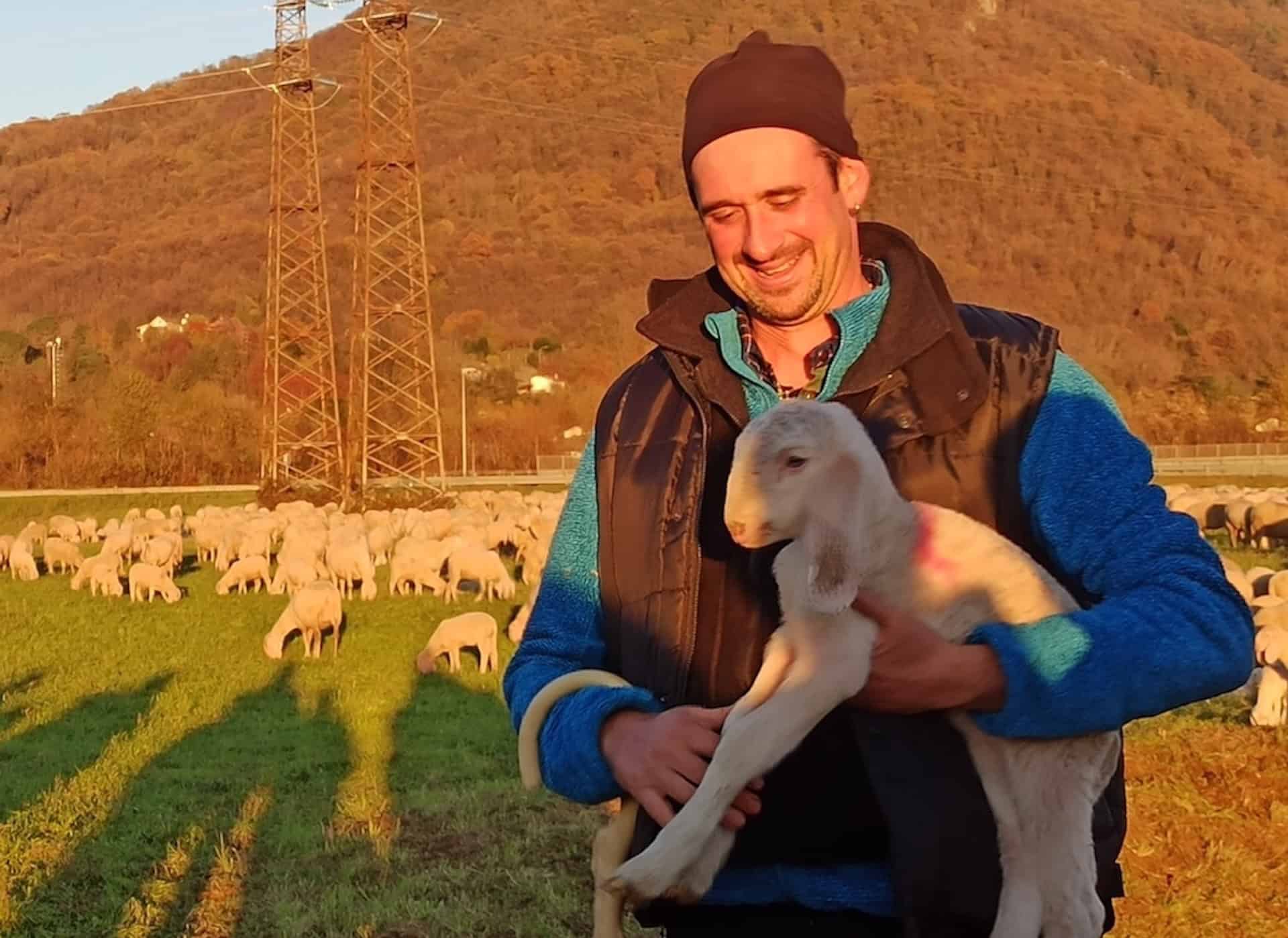
- farmers, livestock owners, and beekeepers affected by conflict;
- local communities and residents;
- recognized conservation organizations;
- organizations or institutions responsible for compensation or prevention programmes.
When contacting an expert, ask about their area of expertise and whether they have direct knowledge of the particular incident or region. A source who has studied bears may not have information about a specific bear involved in a recent incident.
Scientific claims should ideally be supported by published research, official monitoring data, or clearly identified expert evidence. Be cautious with statements such as “experts say” when no specific expert or evidence is identified.
It is also useful to ask experts what is not yet known. A responsible source should be able to distinguish between confirmed evidence, interpretation, and uncertainty. Including this distinction makes reporting more transparent.
Local knowledge is valuable, particularly for understanding repeated conflict locations, seasonal patterns, and practical problems faced by communities. However, individual observations should not automatically be treated as proof of a wider ecological trend.
When a story involves disagreement, journalists should seek relevant perspectives rather than presenting the loudest claim as the established position. This does not require treating unsupported claims and evidence-based conclusions as equally valid. Instead, the report should explain what is known, what is disputed, and what evidence supports each position.
Building a reliable network of contacts before a major incident occurs can significantly improve the speed and accuracy of reporting. Media organizations may benefit from maintaining a list of relevant local authorities, researchers, and practitioners who can be contacted for verification.