
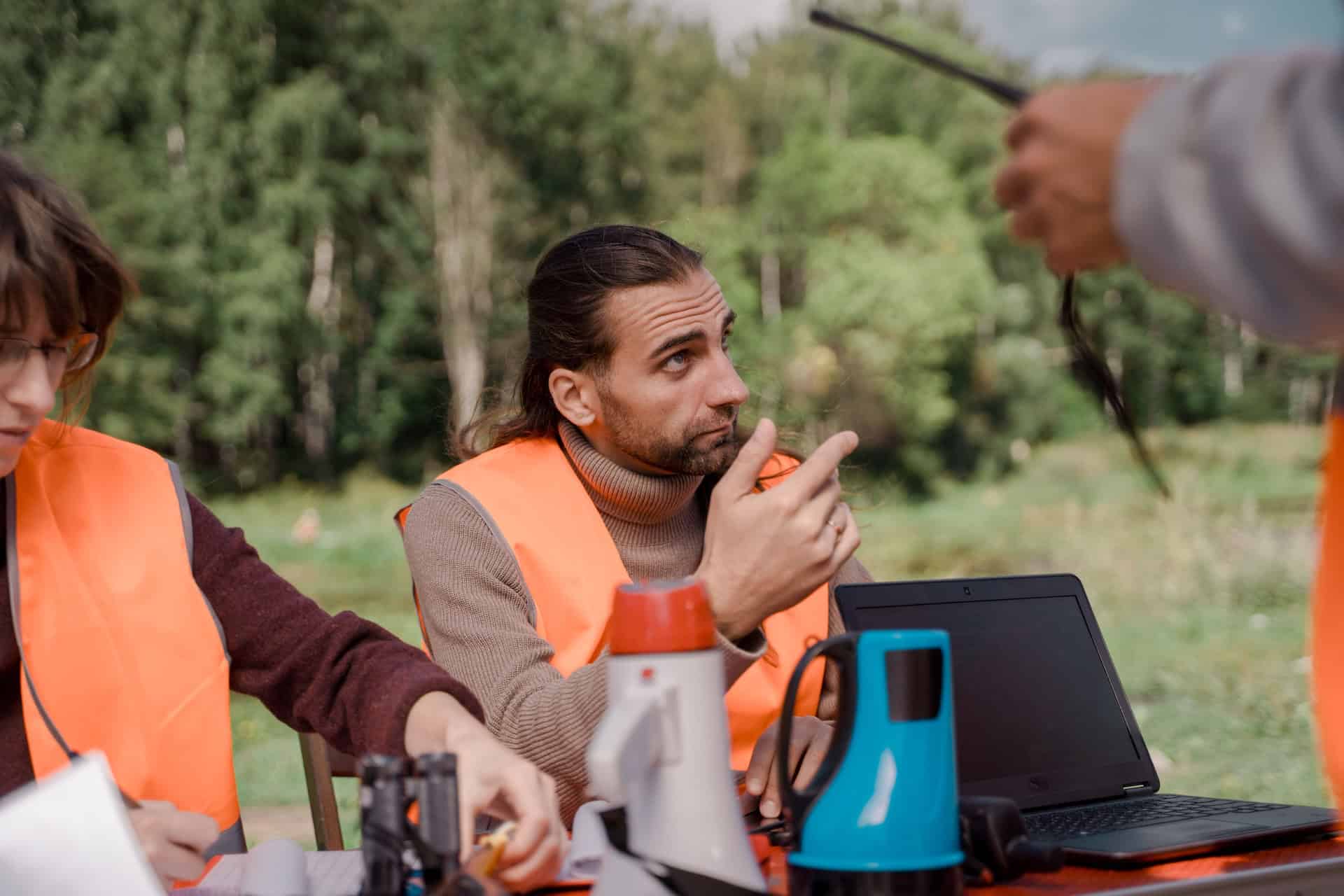
Large carnivore incidents can quickly become controversial, particularly when livestock are killed, beehives destroyed, people encounter an animal, authorities make a management decision, or communities disagree about how a situation should be handled. Such events may generate strong emotions and conflicting accounts. Media reporting can either increase polarization or help the public understand the situation.
Balanced reporting should recognize the legitimate concerns of affected communities while also explaining the ecological and legal context of large carnivore management. A useful report separates confirmed facts from allegations, explains areas of disagreement, and gives readers enough information to understand why different stakeholders may hold different views.
The objective is not to remove emotion from a story. People affected by wildlife conflict should be able to describe their experiences. The important point is to avoid allowing emotional statements, speculation, or political arguments to be presented as established facts.
Separate facts, experiences, and opinions
When an event becomes controversial, begin by establishing the basic facts. Identify what happened, when and where it occurred, which species was involved, what evidence is available, and what actions have already been taken.
Then identify the different perspectives involved. For example, a livestock owner may focus on economic losses and personal safety, while wildlife managers may be concerned with legal requirements, animal behavior, and long-term population management. Researchers may provide additional information about ecological conditions, while residents may have practical concerns about living alongside carnivores.
A balanced report can include all of these perspectives without suggesting that every claim is equally supported by evidence.
Useful questions include:
- What is confirmed?
- What remains uncertain?
- Which claims are based on direct observation?
- Which claims are interpretations or opinions?
- What evidence supports the different positions?
- What laws or management policies apply?
- What preventive or compensatory measures are available?
- What are the possible consequences of different management options?
- What do independent experts say?
Avoid framing complex conservation questions as a simple confrontation between “people and wildlife.” In many cases, people affected by carnivore conflict also value wildlife and want practical solutions that reduce losses.
Similarly, avoid assuming that one incident proves that a species as a whole has become more dangerous. If a change in frequency or distribution is claimed, look for monitoring data or other evidence that can demonstrate a trend.
When publishing interviews, preserve the meaning of statements and provide enough context to prevent selective quotations from creating a misleading impression. Photographs and headlines should also reflect the actual content of the story.
A controversial event can become an opportunity for constructive public information. Alongside describing the dispute, journalists can explain why the conflict occurred, what prevention measures exist, how authorities respond to similar cases, and where members of the public can obtain reliable inform ation.
The strongest reporting does not simply ask “Who is to blame?” It helps the audience understand what happened, why the issue is difficult, what evidence exists, and what options are available.